
TL;DR: A chlorine smell in water is common in many homes in Indianapolis. This guide explains why it happens, when it is normal, and how to fix it without guesswork.
- What causes a chlorine smell in water, including municipal treatment and seasonal changes
- When water that smells like chlorine is considered safe to drink and use
- Why hot water can make chlorine odors stronger in sinks and showers
- How simple filters may help taste but do not solve whole-home issues
- When professional water testing helps confirm the cause and choose the right solution
Readers learn what the smell means and when to act. Whole-home treatment can then improve daily water use.
A chlorine smell in your water can be hard to ignore. Many Indianapolis homeowners notice it right away. It shows up when filling a glass, washing dishes, or stepping into the shower.
The smell can be unpleasant, but it usually has a simple explanation. Understanding why this happens makes it easier to fix.
What Causes Water to Smell Like Chlorine?
Chlorine is commonly added to municipal water supplies. It helps kill bacteria and keeps water safe as it moves through pipes to your home.
Sometimes chlorine levels become more noticeable. Seasonal treatment changes, pipe maintenance, or warmer weather can all play a role. When that happens, homeowners often ask, why does my water smell like chlorine suddenly?
Heat makes the smell stronger. That is why tap water smells like chlorine most during showers or when running hot water at the sink.
Is It Safe to Drink Water That Smells Like Chlorine?
In most cases, yes. Chlorine levels in city water are regulated and considered safe to drink.
That said, safe does not always mean pleasant. Many people dislike the taste. Others notice dry skin or hair after bathing. Over time, the chlorine smell in water can make everyday use less comfortable.
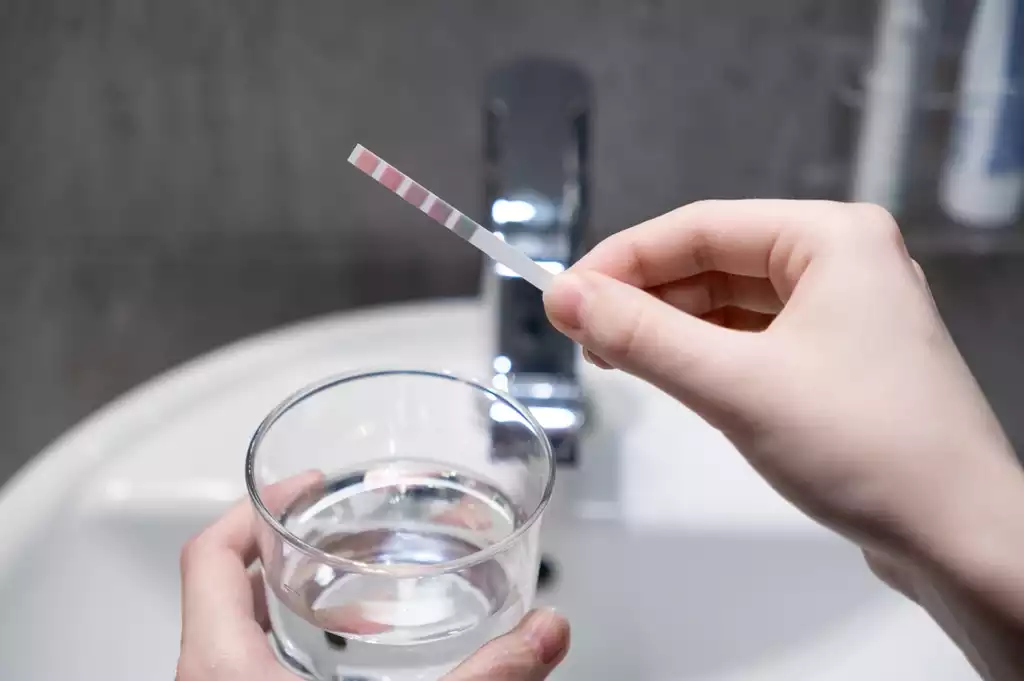
If the odor becomes stronger than usual, testing the water is a smart next step. It helps confirm chlorine levels and rule out other issues. Sudden changes in smell can follow system flushing or treatment adjustments. Local water conditions also matter.
Testing replaces guesswork with clear answers. It helps prevent fixes that don’t match the problem.
Is It Safe to Shower in Water That Smells Like Chlorine?
Showering in chlorinated water is generally safe. Still, chlorine can dry out skin and hair with repeated exposure.
Some homeowners notice itching or irritation. Others see fading in colored fabrics after washing. These signs often point to elevated chlorine levels rather than a health risk.
How to Get Rid of Chlorine Smell in Water
Simple steps can reduce chlorine smell in drinking water. Letting water sit out or using a basic filter may help with taste.
These options only treat water at one faucet. They do not address showers, laundry, or whole-home use.
For consistent results, many homeowners choose whole-home treatment. These systems remove chlorine early in the water flow using activated carbon. Water is then conditioned before reaching faucets, showers, and appliances. This improves taste and reduces chlorine contact throughout the home.
A professional water test can confirm whether chlorine is the cause. It also helps identify the right solution.
Why Choose Indy Soft Water?
At Indy Soft Water, trained technicians start with testing, not assumptions. They explain the results in plain terms. Certified systems are then matched to your home and water supply.
With stocked vans and efficient service, problems are addressed quickly and correctly. The focus stays on integrity, communication, and long-term performance.
Count on us for chlorine removal water softeners!
